17 May 2026
Charting Feature Synergies: How NetEnt Mechanics Align with Layered Promotions Across Regulated British Casino Networks
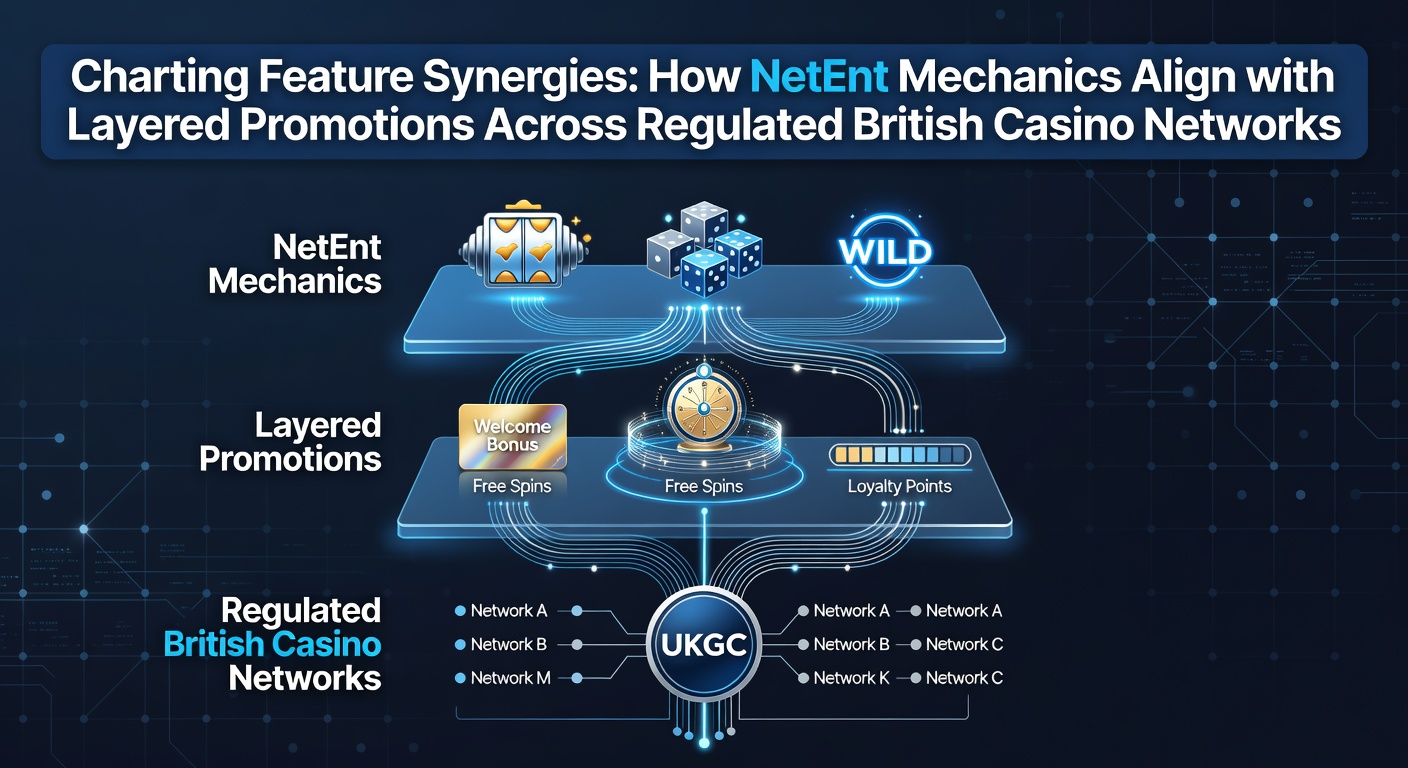
NetEnt mechanics such as cascading symbols, multiplier ladders, and progressive jackpot triggers create measurable alignments with layered promotional structures that operators deploy across regulated British networks, and data from industry reports shows these combinations influence session lengths along with return patterns in measurable ways. Observers note that features like the avalanche system in titles such as Gonzo's Quest interact directly with free spin stacks and deposit match tiers, allowing players to extend play cycles when bonuses activate sequentially rather than in isolation.
Core Mechanics and Promotional Layering
Mechanics built around symbol clusters and expanding wilds pair with reload structures that reset on specific win thresholds, and studies indicate this pairing produces higher engagement metrics because each cascade can trigger additional bonus eligibility without requiring fresh deposits. In May 2026 several networks introduced refreshed cashback layers tied to volatility bands, which means high-variance NetEnt releases now feed into weekly rebate calculations that accumulate across multiple sessions rather than resetting daily.
Those who track performance data across platforms report that progressive elements align particularly well with loyalty point multipliers, turning incremental jackpot contributions into accelerated tier progression when players activate simultaneous deposit and playthrough incentives. This setup keeps the base game progression intact while promotional overlays add temporary value boosts that operators calibrate according to regional compliance rules.
Regulatory Context and Network Implementation
British networks operate under frameworks that require clear separation between game mechanics and promotional terms, yet integration remains possible through structured bonus designs that reference feature frequencies documented in supplier documentation. Reports from the European Gaming and Betting Association highlight how operators use these documented frequencies to set wagering multipliers that feel natural alongside NetEnt's built-in retrigger systems.
One study from the University of Nevada's gaming research center examined similar integrations in other markets and found that symbol collection mechanics often sustain longer play windows when paired with time-limited free spin bundles, producing data sets that operators reference when calibrating their own layered offers for the British market. In May 2026 updates to these bundles appeared on several sites, incorporating NetEnt's latest cluster-pay titles into existing loyalty frameworks without altering core paytable structures.
Practical Alignments Observed in 2026
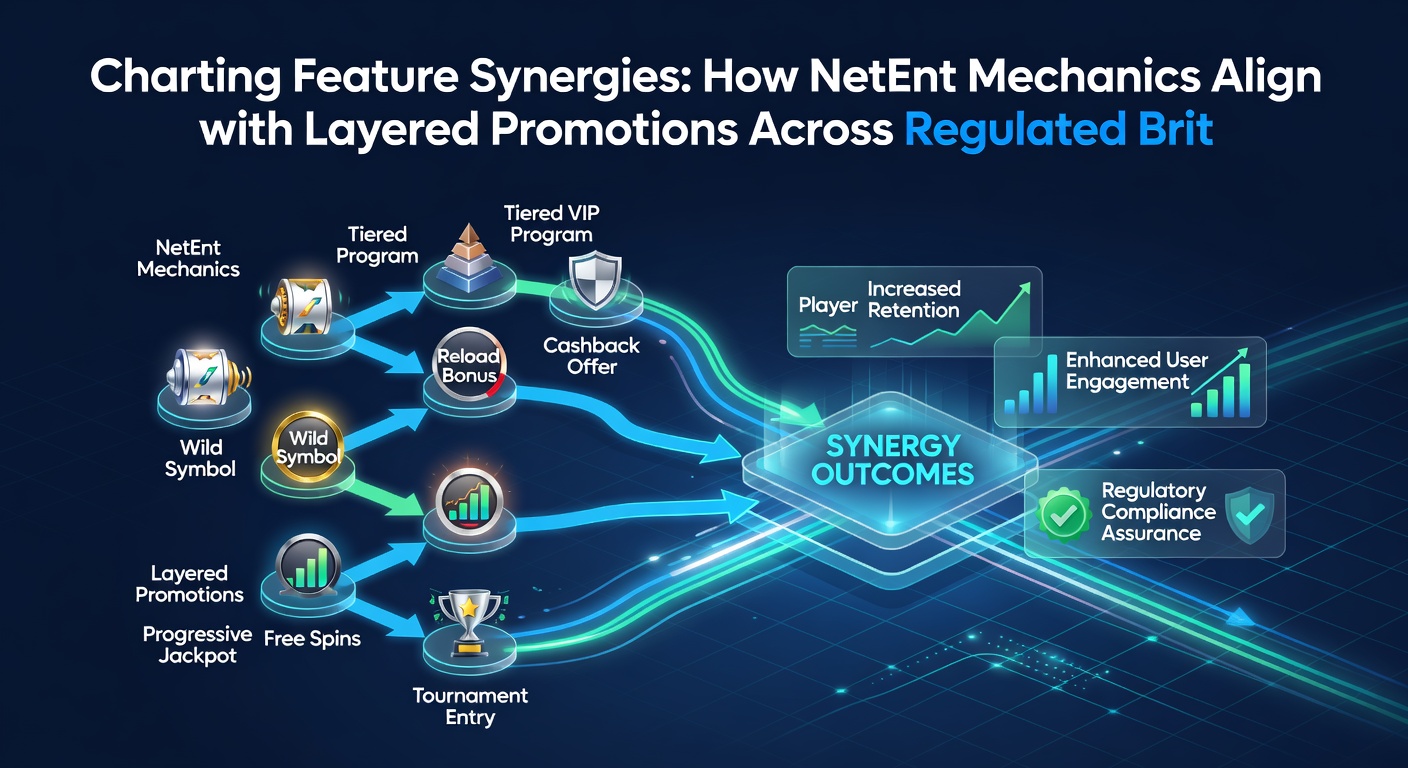
Operators have begun mapping specific NetEnt triggers such as sticky wilds and bonus buy options directly onto multi-tier deposit schedules, and figures from platform analytics reveal that these mappings increase the number of completed bonus rounds per active user. The approach avoids conflict with responsible gambling controls because each layer includes explicit spend caps tied to the player's chosen limits rather than automatic extensions.
What's interesting is how respin sequences in older NetEnt releases continue to find new relevance when operators attach them to seasonal cashback events that run through late spring periods like May 2026. Players encounter these sequences more frequently under promotional conditions, yet the underlying probability remains unchanged from the base game documentation supplied by NetEnt.
Future Patterns and Measurement
Tracking tools now log feature activation rates against promotional uptake in aggregated reports, allowing networks to refine how they present NetEnt content within broader reward ecosystems. This measurement focuses on observable outcomes such as average spins per bonus cycle and total promotional value redeemed, without introducing subjective evaluations of player experience.
Researchers continue to monitor how these synergies evolve as new NetEnt releases enter the market, particularly those incorporating enhanced multiplier trails that can stack with existing loyalty accelerators. Data collected through May 2026 already shows modest but consistent shifts in session distribution when these combinations receive targeted promotion across multiple regulated operators.
Conclusion
NetEnt mechanics maintain consistent compatibility with layered promotions because their documented features provide clear reference points for operators designing compliant bonus structures across British networks. Continued observation through 2026 will likely reveal further refinements in how these alignments support sustained activity while respecting established regulatory boundaries.