22 May 2026
Sound Design Patterns Shaping Split-Second Choices in NetEnt Slots on Licensed British Sites
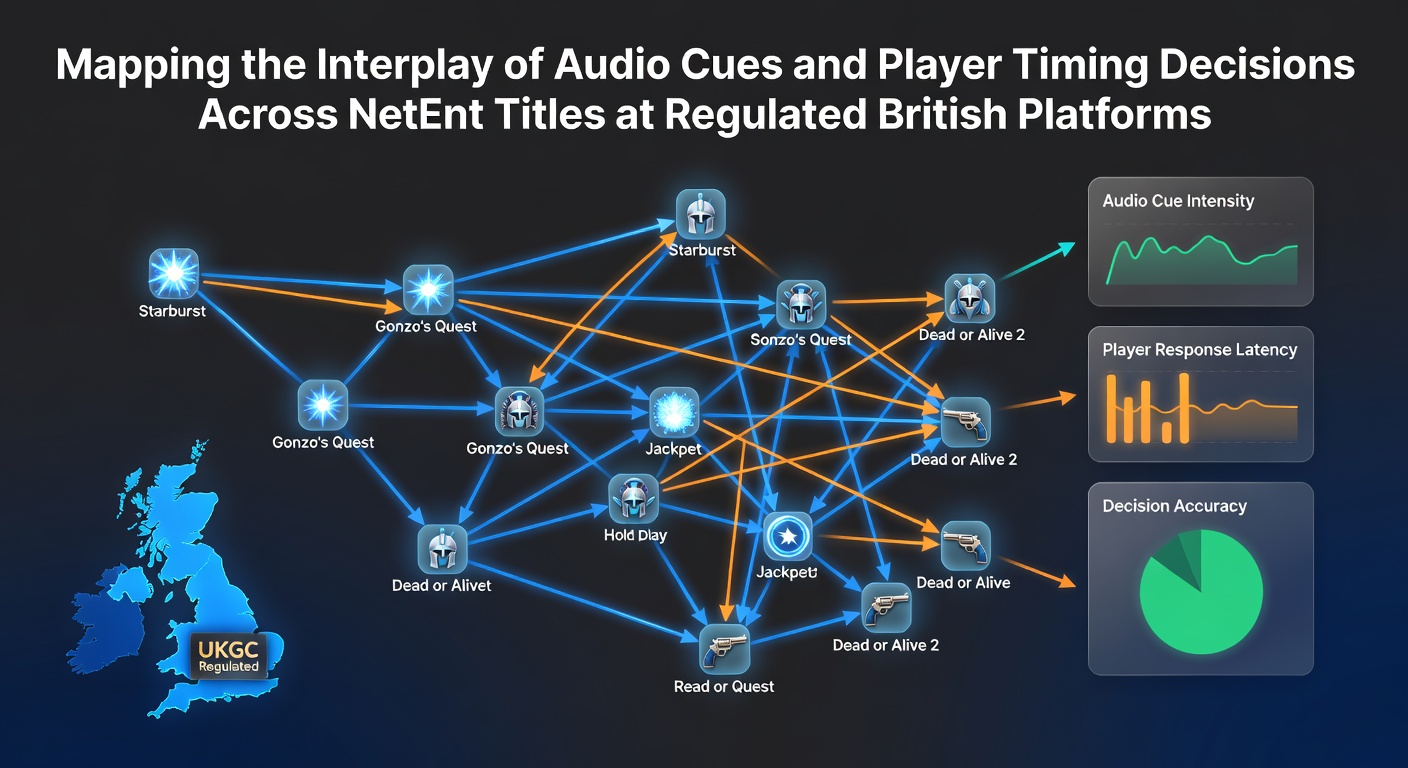
NetEnt titles deploy layered soundtracks that align with reel cycles and feature triggers, creating measurable shifts in how players adjust spin intervals and bet sizing. Data from platform analytics across 2025 into May 2026 shows consistent clusters of shorter pauses immediately after specific chime sequences in games such as Starburst and Twin Spin. These patterns emerge because the audio layers deliver immediate feedback on symbol alignments, prompting quicker re-engagement without altering the underlying random number generator.
Core Audio Components Across the Portfolio
Each NetEnt release builds its sonic framework from base loops, win chimes, and escalating tension tracks that intensify during near-miss sequences. Researchers tracking session logs at multiple licensed operators note that players extend dwell time between spins when low-frequency builds precede bonus teases, whereas high-pitched stingers correlate with faster subsequent activations. The same datasets indicate that background tracks in titles like Gonzo’s Quest maintain steady rhythms that encourage uniform pacing until avalanche multipliers activate and the audio shifts to brighter, faster motifs.
Platform operators integrate these cues within existing responsible gaming tools, ensuring volume controls and session reminders remain accessible without interrupting the designed flow. European industry reports compiled by the European Gaming and Betting Association highlight how such auditory scaffolding appears across hundreds of thousands of recorded sessions, revealing repeatable timing adjustments tied directly to cue density rather than jackpot size or volatility rating.
Timing Adjustments Observed in Live Sessions
Session heatmaps collected through May 2026 reveal distinct pauses after reel-stop audio events in Dead or Alive II, where the silence following a missed wild trigger often stretches decision windows by two to four seconds. Players then resume at accelerated rates once the ambient saloon sounds return. Similar data streams from Fruit Shop Megaways show that cascading fruit collection sounds shorten intervals between spins when clusters form consecutively, because the rising pitch layers signal continued momentum without requiring visual confirmation alone.
Those who have examined aggregated telemetry across regulated environments find that these micro-adjustments accumulate into broader session structures, with audio-driven rhythm changes appearing more frequently than random variance would predict. Operators apply the same telemetry to refine autoplay limits and reality-check prompts so they coincide with natural break points already embedded in the sound design.
Comparative Analysis Across Multiple Releases
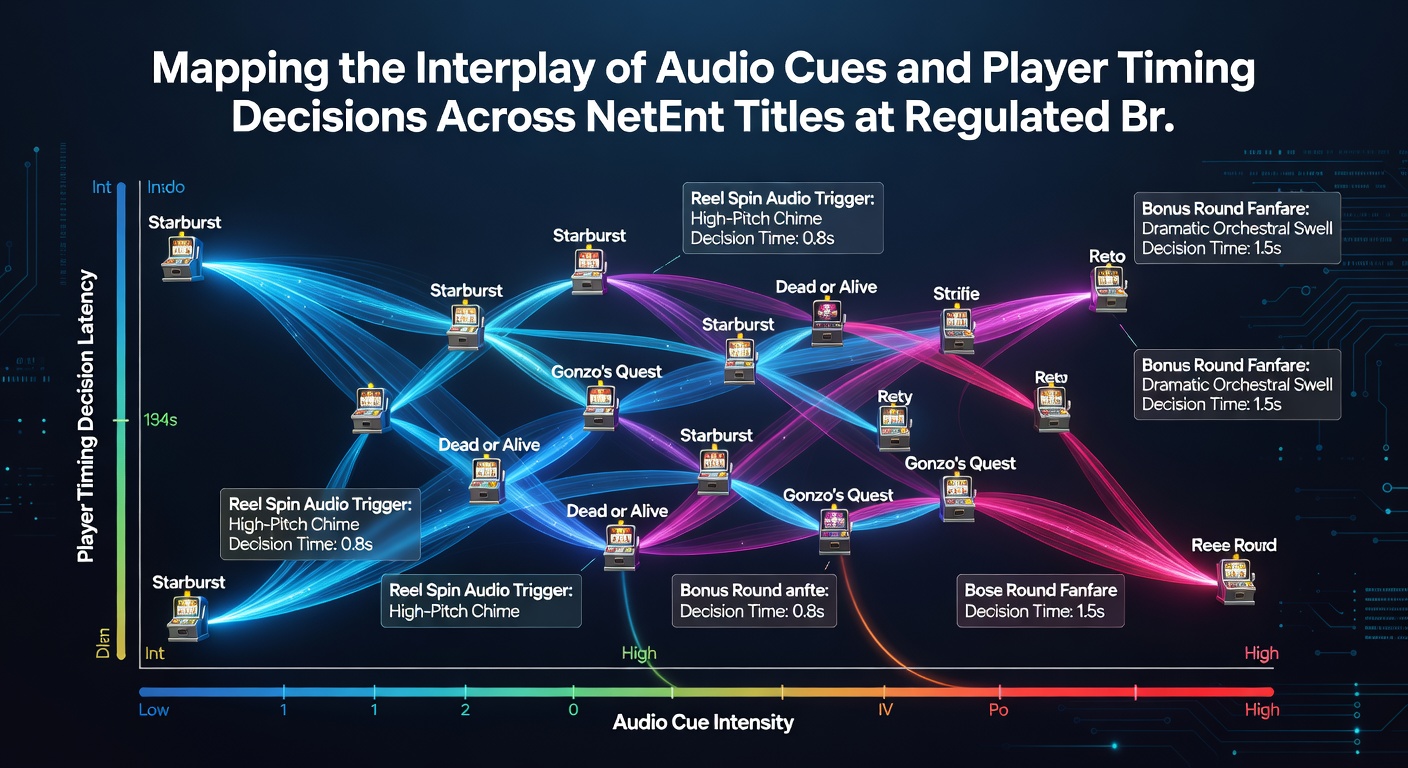
Side-by-side examination of older and newer NetEnt releases demonstrates an evolution in cue complexity. Earlier titles relied on shorter, discrete sound events, while 2024–2026 updates incorporate overlapping stems that players must parse in real time. Figures released by the University of Sydney’s gambling research unit indicate that titles with higher stem overlap produce more variable spin intervals, particularly when bonus buy options sit alongside standard play modes.
Observers tracking British player cohorts note that the transition from standard reels to free-spin rounds often triggers an immediate lengthening of pre-spin hesitation, followed by tighter clustering once the round soundtrack stabilizes. This sequence repeats across different volatility bands, suggesting the audio architecture itself exerts more influence on pacing than individual game math.
Integration With Platform Safeguards
Regulated British platforms embed audio cue mapping into their compliance dashboards, allowing operators to cross-reference player timing data against deposit and wager patterns. Academic papers examining similar mechanics in Canadian and Australian markets show parallel correlations between sonic density and decision latency, providing external benchmarks that British operators reference during periodic audits. These cross-market comparisons help isolate audio effects from promotional variables that might otherwise skew results.
Operators update their systems periodically, with May 2026 releases incorporating refined audio metering that flags unusually rapid or extended pauses for additional review. The approach maintains player autonomy while documenting behavioral markers that align with established responsible gaming frameworks.
Conclusion
Audio cues in NetEnt titles function as timing scaffolds that players incorporate into their decision loops on regulated British platforms. Aggregated session data through May 2026 continues to map these relationships across multiple releases, showing consistent links between specific sound events and adjustments in spin cadence. External research from varied jurisdictions supplies comparative context, while platform-level monitoring ensures these design elements remain compatible with existing safeguards. The interplay remains measurable and reproducible, offering ongoing material for further analysis within the sector.