19 May 2026
Tracing Player Interaction Sequences Across Dynamic Bonus Features in Leading European Betting Environments

European betting brands have expanded their digital entertainment suites with layered bonus systems that guide users through sequenced interactions. Analysts track these sequences to identify common pathways players follow when engaging with reward mechanics. Data collected across multiple operators shows consistent patterns in how users move from initial entry points to deeper feature unlocks.
Defining Core Journey Elements in Bonus Systems
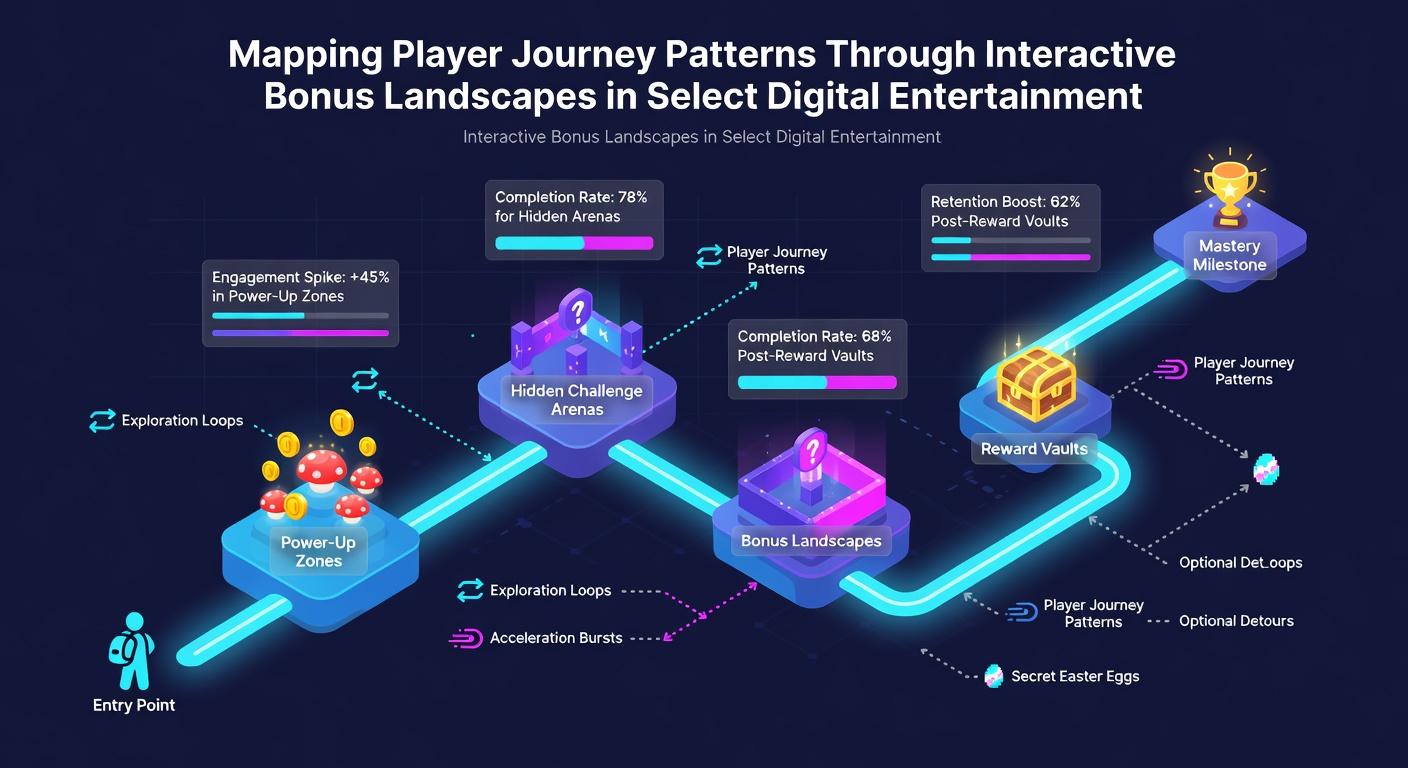
Interactive bonus landscapes consist of visual maps, tiered challenges, and progressive unlocks that respond to player choices. Researchers at several academic institutions have documented how these elements create branching paths rather than linear progressions. Players often encounter decision nodes where selections influence subsequent reward availability, and studies indicate that repeat engagement increases when users perceive meaningful control over outcomes.
Operators in Germany, Sweden, and the Netherlands have implemented tracking tools to log session durations and feature transitions. Reports compiled in early 2026 highlighted that average journey completion rates rose when platforms introduced adaptive difficulty scaling. This adjustment allowed users to maintain momentum without abrupt resets after unsuccessful attempts.
Regional Variations in Player Navigation Styles
European markets display distinct navigation preferences shaped by local regulations and platform designs. In markets with stricter session time limits, users tend to prioritize high-visibility bonus triggers that deliver quicker feedback loops. Observers note that players in these regions complete mapped sequences at higher frequencies when visual cues align closely with reward milestones.
By contrast, platforms serving broader continental audiences incorporate longer exploration phases. Industry reports from organizations such as the European Gaming and Betting Association reveal that extended discovery segments correlate with sustained multi-session returns. Players appear to value the ability to backtrack or select alternative routes within the same bonus environment.
Data Patterns Observed During May 2026 Updates
Platform enhancements rolled out in May 2026 introduced new mapping overlays that highlighted previously hidden pathways. Analytics from these updates showed increased interaction density around collaborative bonus elements where multiple users contributed to shared landscape progression. Figures indicate that such features extended average session lengths by measurable margins without requiring additional deposits.
One study released by a research consortium in Canada examined cross-border player data and found that journey mapping accuracy improved when operators combined behavioral logs with voluntary feedback surveys. The combination produced clearer pictures of decision points that led to either continued play or session termination.
Technological Tools Supporting Journey Analysis
Advanced visualization software now allows operators to render player routes as interactive diagrams. These tools highlight bottlenecks where many users abandon sequences and pinpoint high-conversion zones that reward early decisions. Developers integrate machine learning models to predict likely next steps based on initial choices, enabling real-time adjustments to bonus availability.
External research groups have examined how these technologies affect overall engagement metrics. A report published through the University of Sydney's gambling studies program noted that predictive mapping reduced unintended session endings when platforms surfaced alternative routes at critical junctures. The findings emphasize the role of transparent feedback in maintaining user flow through complex reward structures.
Implications for Platform Design and Compliance
European operators continue refining bonus landscapes to align with evolving regulatory expectations around transparency and player protection. Journey mapping provides evidence that certain sequence designs encourage measured pacing rather than rapid escalation. Companies incorporate these insights when redesigning interfaces to present clearer progression indicators and exit options.
Analysts expect continued refinement of these systems as new data sets become available from ongoing platform iterations. The focus remains on documenting actual user routes and using those records to inform future feature development across prominent betting brands.
Conclusion
Mapping player journey patterns reveals structured yet flexible navigation behaviors within interactive bonus landscapes. European platforms leverage these insights to refine reward delivery and maintain engagement across diverse user bases. Continued analysis through May 2026 and beyond supports evidence-based adjustments that balance entertainment value with responsible design principles.